
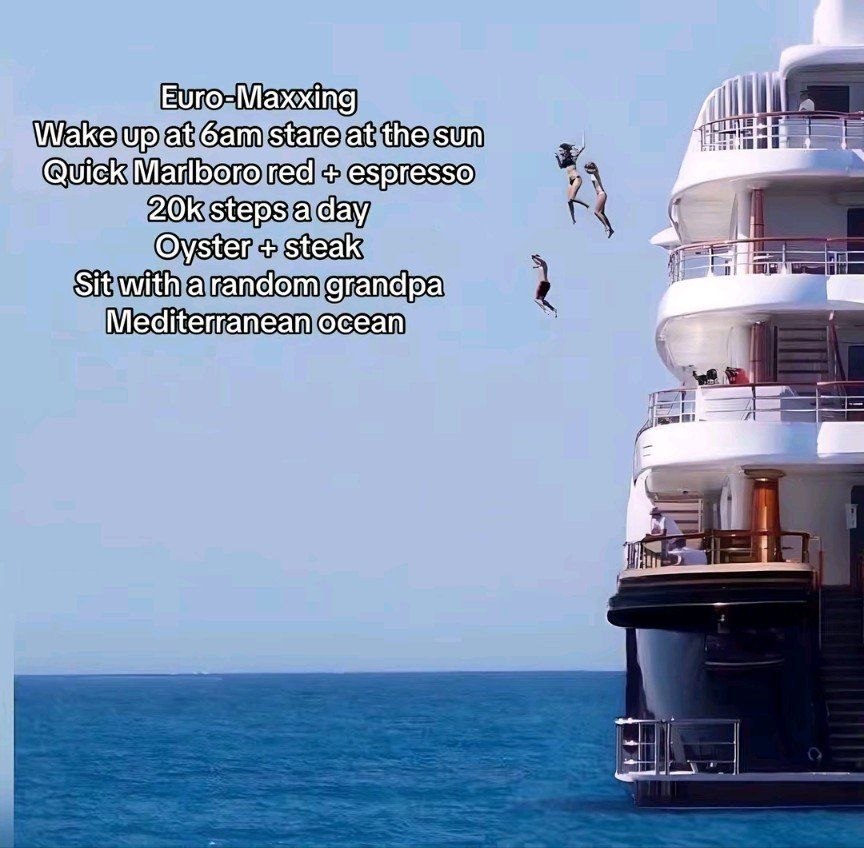
The first thing you notice is the timing. On a boat, you are not bound by the clock. You eat when you are hungry, and you are hungry when the sun, the salt, and the swimming have earned it. Breakfast happens at first light, not 7 AM. Lunch is a long, slow spread in the middle of the day. Dinner waits until the air cools and the stars come out.
This is the sailor’s diet, and it is the cleanest way to eat in the Mediterranean.
Morning: Before the Sun Gets High
You wake to still water and birds. The coffee is made in a briki — the traditional small pot that produces thick, dark Greek coffee. You do not rush it. The first cup comes with a deck briefing: wind direction, destination, what the day looks like.
Breakfast is simple by necessity. Bread, cheese, olives, tomato, cucumber. A hard-boiled egg or two. Olive oil on everything. The protein keeps you full through the morning sail. The salt replaces what you lose in the first swim.
Midday: The Aft Deck Spread
By noon, you have been sailing for three or four hours. The anchor drops in a cove you have to yourself. The gear comes off. The first swim is a shock and a release.
Lunch on a boat is never a single plate. It is a spread on the aft deck: cold cuts, local cheese, bread dipped in olive oil and oregano, a salad of tomatoes and cucumber, maybe some tinned fish if the fresh catch is hours away.
The rule is simple: no cooking. The galley gets hot, and nobody wants to be below deck when the light is good. Everything comes out of the cooler. Everything is fresh. Everything tastes better because you are floating.
Late Afternoon: The Refuel
After the second swim and the walk onshore, you need fuel. A piece of fruit — a fig, a peach, an orange — eaten while sitting on the bow facing the sun. Maybe a handful of almonds or walnuts. The salt from the swim is still drying on your skin. The fruit tastes like the whole afternoon.
This is not a snack. This is part of the day’s rhythm. The Mediterranean does not do snacking the way northerners do. Every bite has a place.
Evening: The Meal That Takes Hours
Dinner starts late — 8:30 at the earliest, more often 9 or 10. The grill comes out on the aft deck. Fish if you caught it, lamb if you bought it at the morning market. The vegetables — peppers, zucchini, eggplant — are sliced, salted, and grilled in olive oil.
There is always a salad. There is always bread. There is always a splash of lemon on everything.
You eat slowly. The sun sets over the water. Someone opens a bottle of chilled Assyrtiko from Santorini. The conversation drifts from routes to islands to nothing at all.
This is not dinner. This is the day’s closing ceremony.
The Principles, Simplified
The sailor’s Mediterranean diet works because it follows rules that most land-based eating forgets:
First, eat what the region produces. The fisherman’s catch, the olives from the grove above the harbor, the tomatoes that grow in volcanic soil. When you eat local food in a local climate, your body understands it.
Second, eat at the right time. Heavy meals belong to the evening, not the middle of the active day. Lunch is a spread, not a pile. Breakfast is fuel, not a feast.
Third, eat with the sun in your skin. A meal eaten after swimming, under an open sky, with salt still drying on your shoulders, is nutritionally and mentally different from the same food eaten indoors.
The sailor’s diet is not complicated. It is the opposite of complicated. It is what people in the Mediterranean have done for thousands of years. And it still works better than any diet plan written by someone who has never left their desk.
The Mediterranean diet on the water needs one small adjustment. High-quality extra virgin olive oil is not optional — it is the base of every meal.
Discover more from Mediterranean Maxxing
Subscribe to get the latest posts sent to your email.